Parks protect open space, wildlife, and habitat, reserving land for conservation and recreational use, and offering solace from the stresses of “modern” life for all members of our society regardless of socio-economic status.
Protect Wildcat Canyon from Construction of a Bicycle “Thrill” Trail
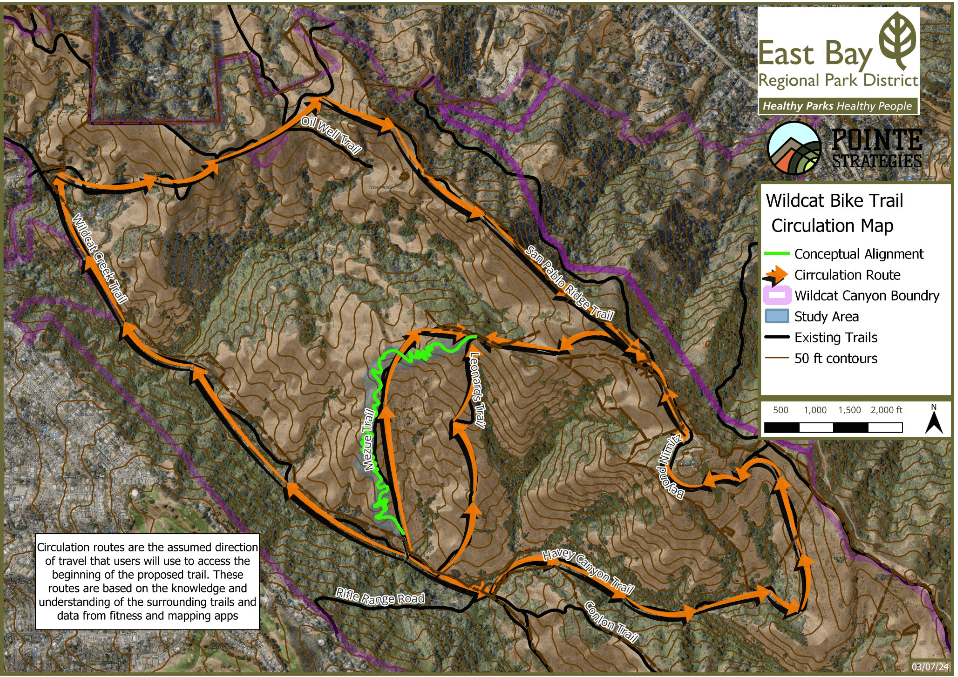
Wildcat Canyon Regional Park is located in the East Bay, neighboring Richmond, El Cerrito, East Richmond Heights, El Sobrante, and Kensington. In 1985, the East Bay Regional Parks District (PD) created a Land Use Plan (LUP) specifically for Wildcat Canyon Park, designating it as a Natural Area, except for limited recreational development at its northwestern edge at the Alvarado Staging area.
This park is host to an estimated 400,000 visitors annually, including hikers (~85% of all visitors), equestrians, nature lovers, birdwatchers, and mountain bikers (less than 10% of visitors, and currently allowed on certain trails only). A recent public records request initiated by SPRAWLDEF revealed that two private individuals secretly proposed a $1 million donation to build a 1.4-mile mountain bike “flow trail” within Wildcat Canyon’s designated Natural Area. These and other flow trail advocates met with Park District Planning staff privately, months before any public discussion of the proposal.
The proposed, highly engineered mountain bike thrill trail is estimated to cost at least $1.3 million to build, and is designed for high speed, downhill mountain bike use, including high-intensity features such as steeply banked turns, rock sections, and jumps. Heavy equipment would move tons of earth and rock into an area designated for natural resource protection, raising concern about the potential harm to protected habitat, as well as increased erosion, risk of landslides, and sediment load in Wildcat Creek.
SPRAWLDEF’s discovery of this once secret plan has triggered an Environmental Impact Report (EIR) for the project, to be prepared during 2026. SPRAWLDEF is working with the Friends of Wildcat Canyon to help raise awareness among the public about this proposal, and in order to provide feedback on the EIR, and has also sponsored ecological and geotechnical studies of the proposed site.
Please also visit www.ProtectWildcatCanyon.org to link to a fact sheet and more details about this campaign.
Protecting Pt. Molate as Accessible Open Space.
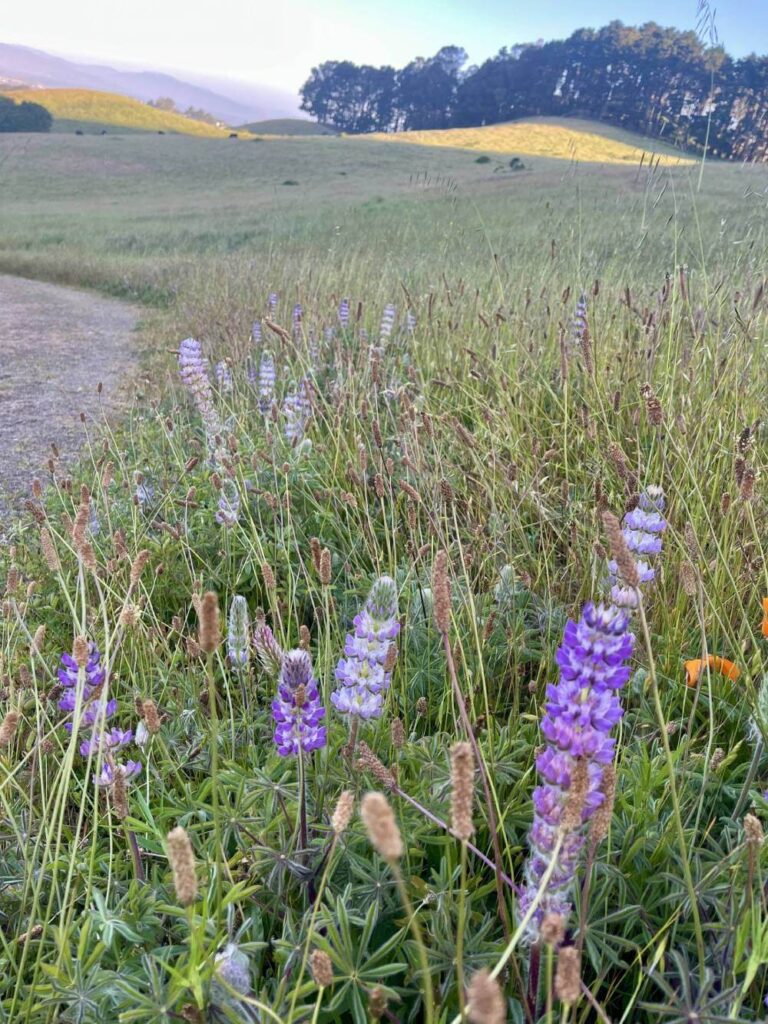
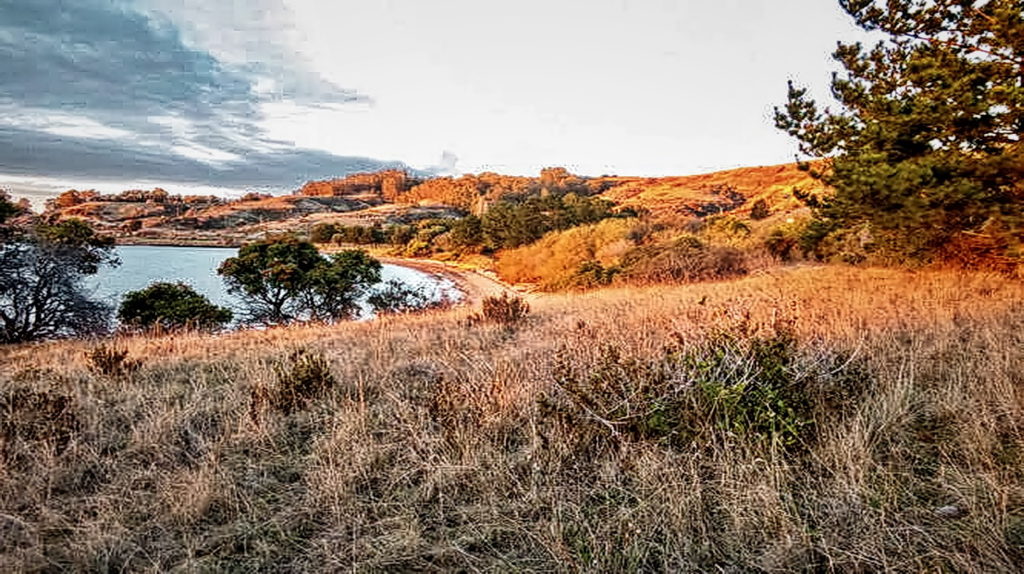
On the western shore of Richmond, CA, just north of the toll plaza of the toll plaza for the Richmond/San Rafael Bridge, lies a gem of waterfront open space called Pt. Molate (see map). SPRAWLDEF has worked to create a park at Point Molate in coalition with the Sierra Club, Citizens for East Shore Parks (CESP), the Native Plant Society, and Point Molate Alliance, among others, to save this land as a park with its hills filled with wildlife including hawks and cougars, space for future sports fields, and other recreational opportunities.
SPRAWLDEF has funded lawsuits to stop the back room deals that former Mayor Tom Butt has tried to engineer to allow for massive luxury housing development at the site. This rare bayfront site should be a regional park, and is in the East Bay Regional Park District’s master plan for a park.
VICTORY! After years of litigation and advocacy by SPRAWLDEF and coalition partners, we are thrilled to report that the state of California supplied $36 million of funding that was leveraged by the East Bay Regional Park District to purchase this one of a kind site, to be developed as a future waterfront park.
Advocating for Removal of Eucalyptus from the Urban/Wildland Interface.
A second Parks campaign in which SPRAWLDEF has played a critical role is the long-term effort to reduce the fire risk in the Oakland/Berkeley hills by abatement of eucalyptus and other highly flammable non-native species on the regional park interface with residential areas. SPRAWLDEF has worked with the Sierra Club and the California Native Plant Society to create the 3R’s for reducing fire risk in the wildland urban interface.
The 3R’s to reduce fire risk are:
- Removal (in phases) of blue gum eucalyptus and other non-native fire fire dangerous trees and plans;
- Restore the native oak-bay woodland and grasslands which pose a reduced risk of fire, and thereby
- Re-Establish the prior native diversity in wildlife and habitat and endangered species.
Application of the 3R’s will substantially lower the fire risk and cost far less to maintain. See the 3Rs Info Sheet.
SPRAWLDEF took on the Federal Emergency Management Administration (FEMA) when it proposed granting funds for simply thinning blue gum eucalyptus plantations, since this would not reduce fire risk and which would be far more costly for the affected public agencies like the East Bay Regional Park District and the Cities of Berkeley, Oakland, El Cerrito, and Richmond.